
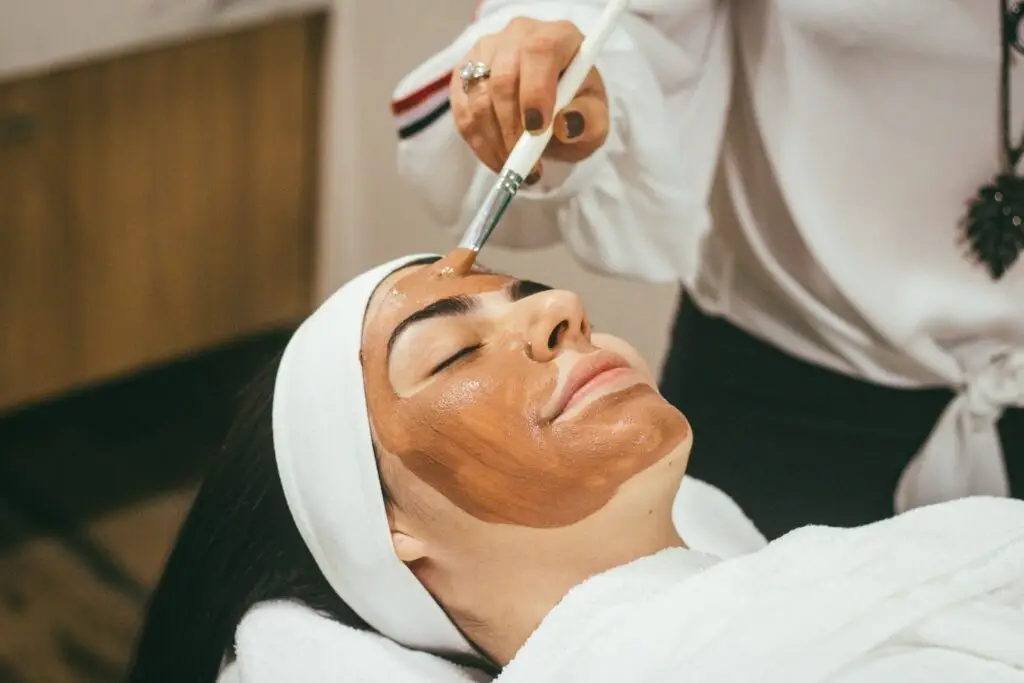
Medical spas and aesthetic practices sit at the intersection of medical practice, luxury retail, and equipment-heavy capital investment. The accounting has to handle injectables inventory at the dose level, lasers and devices at depreciation schedules, prepaid packages as deferred revenue, and the MSO/PC structure that holds it all together under California’s Corporate Practice of Medicine doctrine. This is the working playbook.
California Corporate Practice of Medicine and the MSO/PC structure
California prohibits the corporate practice of medicine, non-physicians cannot own an entity that delivers medical procedures. For a med spa offering Botox, fillers, lasers, IPL, microneedling, or other procedures that require medical licensure or supervision, this creates a structural choice.
The standard solution is a two-entity structure. A Medical Corporation (PC) owned by a licensed physician (typically the medical director) handles the medical services, billed under the PC, performed by the MD or by NPs/RNs under MD supervision. A Management Services Organization (MSO), typically an LLC owned by the founders, handles the brand, the location, the non-clinical staff, the equipment, the marketing, and the back office. The MSO charges the PC a management fee under a Management Services Agreement that has to be structured carefully to comply with California fee-splitting and corporate-practice rules.
Getting the structure wrong creates corporate-practice exposure, and California’s Medical Board has been active on this. Getting it right takes legal counsel; we coordinate with healthcare attorneys to make sure the accounting and tax design fits the legal structure.
Injectables as regulated inventory
Botox vials, Dysport vials, filler syringes, biologics, and any other injectable product are inventory, not supplies. Each batch carries a lot number, an expiration date, and a per-unit cost. COGS is recognized at the unit/syringe level when the treatment is performed, not when the vial is purchased.
Practical setup: a perpetual inventory system that tracks vials by lot, with quantity drawn from a stock count when each treatment is logged. The POS or EMR system records the units used per treatment. The accounting system records cost-of-goods at the per-unit cost. The result is per-treatment margin visibility, and you can answer “what did this Botox treatment actually earn after product cost?”
The shrinkage line matters too. Expired vials, discarded partial doses, and product damage are real costs that need their own line. Most med spas under-report shrinkage in good years and over-report it after a stale-inventory event.
Lasers and devices: §179, bonus depreciation, and financing decisions
Aesthetic devices are capital expenditures with six-figure tax implications. An IPL platform runs $40K-$80K. A fractional CO2 laser, $80K-$150K. RF microneedling, $60K-$120K. Body contouring platforms (Emsculpt, CoolSculpting), $150K-$300K+.
§179 expensing lets you deduct up to $1.25M of qualifying equipment in 2026, phasing out above $3.13M of total purchases. Bonus depreciation is 60% in 2026 (and scheduled to phase down). For a $200K laser purchase in a year with $400K of taxable income, the §179 deduction could save $74K+ in federal tax alone, money that pays for the financing terms several times over.
The decision isn’t just “elect §179”, it’s whether to expense in this year, save the deduction for a higher-income year, or take a partial election. We model the elections against your taxable income, multi-year projections, and any financing terms (interest deductibility, balloon payment timing) before electing.
Prepaid packages, memberships, and deferred revenue
Aesthetic practices sell packages, six Botox treatments at a discount, a monthly membership that includes treatments and product, annual VIP programs. The cash arrives at signing. The treatments happen over weeks or months.
Under GAAP, the cash is a liability (deferred revenue) on the balance sheet until the service is delivered. As treatments happen, revenue is recognized in the period of delivery. Booking the cash as immediate revenue overstates income in the sale month and creates a tax bill on money you haven’t actually earned yet.
The follow-on: practices that report on cash often look profitable in heavy-package-sale months and then “lose money” when the treatments are delivered. The deferred-revenue treatment surfaces real economics, and helps owners see whether their package pricing actually makes sense.
Sales tax on retail products
Medical services in California are not subject to sales tax. Retail product sales, skincare, at-home devices, supplements, are. The split has to live on the books, and the practice has to be registered with CDTFA, collect sales tax at the appropriate rate, and remit on the schedule CDTFA assigns.
The setup: separate POS categories for medical service revenue and retail product revenue. The retail revenue feeds a sales-tax-payable account. CDTFA filings are typically quarterly for med spas of any size. Mistakes get caught at audit and run with penalties and interest.
Entity-level tax planning: the S-corp election + PTET
The Medical Corporation (PC) typically elects S-corp status to manage self-employment tax on the medical director’s income. Reasonable comp is paid as W-2; the remainder flows as distribution.
The MSO LLC can also elect S-corp. For the founders running the MSO with non-medical roles, the same payroll-tax math applies.
California’s PTET (Pass-Through Entity Tax) election lets pass-through entities pay state tax at the entity level, capturing the deduction federally and bypassing the $10K SALT cap. For a med spa group with $500K+ in K-1 income across founders, PTET commonly saves $15K-$25K per year in federal tax. The Q1 prepayment is due by June 15, miss it and you lose the election for the year.
Plastic surgery facility build-outs
Practices adding accredited surgical facilities (AAAASF, JCAHO) face a different magnitude of capital decision. Build-out costs range from $300K to $2M+ depending on scope. Equipment, surgical tables, anesthesia machines, monitors, sterilization, adds another $200K-$500K.
The tax planning has to start in the modeling phase: which costs are leasehold improvements (amortized), which are equipment (§179/bonus eligible), how the construction loan interest gets treated during the build-out period, when revenue recognition starts. Done right, the build-out has predictable tax implications. Done after the fact, owners discover surprises in the second tax year of operation.
Common questions we hear
We are not MDs. Can we own a med spa in California?
Not directly. California’s Corporate Practice of Medicine doctrine prohibits non-physicians from owning entities that practice medicine. The standard structure is a two-entity arrangement: a Medical Corporation owned by a licensed MD or DO (often the medical director) handles the medical services, and a separate Management Services Organization owned by the founders handles the brand, location, equipment, and back office. The MSO charges the PC a management fee under a Management Services Agreement designed to comply with California’s fee-splitting rules. We coordinate the accounting and tax design with healthcare attorneys.
How should we account for Botox and filler inventory?
As inventory, with batch tracking. Each vial carries a lot number, expiration date, and per-unit cost on the balance sheet until used. Cost-of-goods is recognized at the unit/syringe level when the treatment is performed. This gives you per-treatment margin visibility and produces accurate COGS in the income statement. Tracking shrinkage from expired or discarded product as a separate line keeps the margin numbers honest.
Should we §179 our new laser, or use bonus depreciation?
Both reduce taxable income in the year of purchase, but they interact with multi-year planning differently. §179 lets you choose how much to expense, up to the $1.25M limit. Bonus depreciation is 60% of basis automatically in 2026 unless you elect out. For most med spa equipment purchases of $50K-$300K, §179 gives more control. The right answer depends on your taxable income in the purchase year, the next 2-3 years’ projections, and whether you have financing interest you want to preserve as a deduction. We model the elections before electing.
We sell skincare retail. Do we need to charge sales tax?
Yes. Medical services are not subject to California sales tax, but retail product sales are. You need CDTFA registration, collection at the appropriate rate, and quarterly remittance for most med spa volumes. We set up the chart of accounts, POS mapping, and CDTFA registration to keep the retail and medical revenue lines clean. The split is also important for income tax purposes because retail sales sometimes flow through the MSO rather than the PC.
How do prepaid packages affect tax?
Package cash receipts are deferred revenue under GAAP, a liability on the balance sheet, not income until the treatments are delivered. Booking package sales as immediate revenue overstates income in the sale period and creates a tax bill on money you haven’t earned yet. Deferred-revenue treatment surfaces accurate per-month margin and helps you see whether your package pricing actually works. We set this up as part of monthly close.
How Milestone Handles This
We build med spa accounting around the MSO/PC structure, with inventory at the dose level, deferred revenue on packages and memberships, sales tax split for retail product lines, per-treatment margin reporting, and equipment-strategy modeling before each major purchase.
The engagement is flat-fee, scoped during the consultation, and committed in writing. We coordinate with healthcare attorneys on the MSO/PC structure where needed, onboard in 30–60 days, and run the first full close before the next major equipment decision or package sale cycle.
Learn more about our work with Med Spa & Plastic Surgery Practices →
Schedule a complimentary 30-minute consultation: calendly.com/milestonecpas · Call 925-320-0309 · Email ronak@milestonecpas.com
Ronak Bhatt, CPA, MBA, Founder, Milestone Certified Public Accountants. AICPA + CalCPA member. Boutique Bay Area CPA practice serving business owners, real estate investors, and high-net-worth families.